Home / Winter backup power guide
By Waukee Power Pros · October 18, 2026

Winter is coming to Waukee and the rest of Dallas County, and a winter power outage is different from a summer one. Without power, most furnaces cannot run, sump pumps stop, and pipes can freeze. The nice fall weather right now is the best time to sort out backup power, while you can still work outside comfortably and before the first ice storm.
Here is a plain-English look at the three main options, how to size them, and the safety rules that matter most.
A portable generator runs on gasoline (some models also run on propane) and powers things through cords or a transfer switch. Inverter generators make cleaner power for electronics and run quieter. They cost less than a standby system and can go camping or to a job site, but someone has to set them up, fuel them and run cords in the cold.
A standby generator sits outside on a pad, runs on natural gas or propane, and starts on its own when the power goes out through an automatic transfer switch. It is the most hands-off option and can power much more of the house. It is also the biggest investment and needs a licensed installer, permits and a gas supply sized for it, so get an installed quote before buying a unit.
Portable power stations (sometimes called solar generators when paired with a panel) store electricity in a battery. They are silent, make no exhaust and can be used indoors, which makes them great for phones, laptops, lights, a CPAP or a router. Most are too small to run a furnace or sump pump for long, so think of them as a companion to a generator or for short outages.
The CDC says to never use a generator inside your home or garage, even if doors and windows are open, and to run it outside only, more than 20 feet from windows, doors and vents. In winter it is tempting to keep the generator in the garage out of the snow. Don't. Carbon monoxide has no smell and can kill in minutes. Put battery-powered or battery-backup CO alarms in the house, and choose a generator with a CO shutoff feature.
Never plug a generator into a wall outlet to "backfeed" the house. It can electrocute utility workers and damage your home's wiring. The safe way is a transfer switch or interlock installed by a licensed electrician, which lets you run selected circuits from the generator. In Iowa, connecting to your panel needs an electrical permit and inspection.
These are from our generator shop, with the specs as each listing states them:
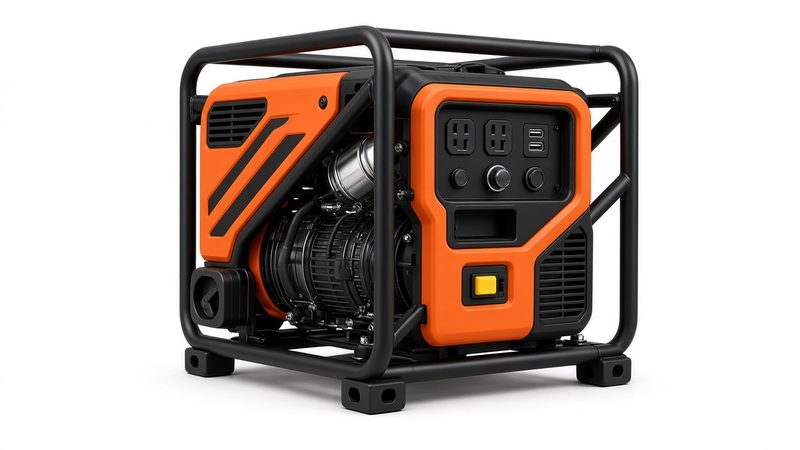
A gas inverter generator rated 4,200 peak / 3,300 running watts. AIVOLT lists up to 16 hours of runtime on its 2.6-gallon tank in ECO mode, CO shutdown, a low-oil alert, parallel capability, an RV-ready outlet and USB ports. Run it outdoors only.
View on Amazon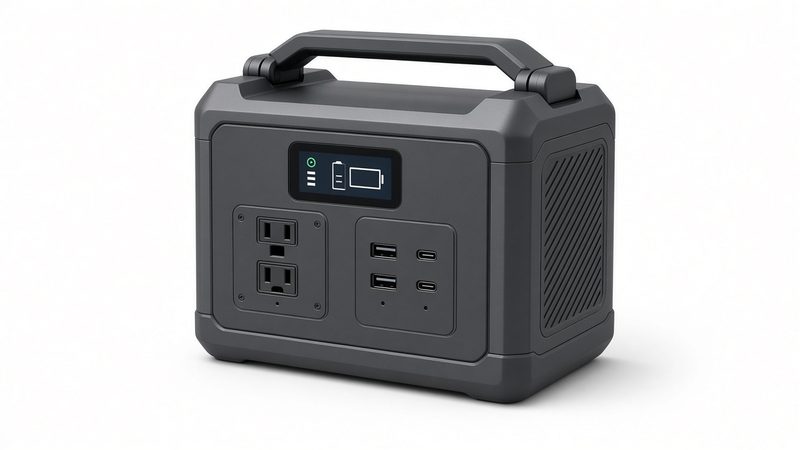
A 292Wh portable power station with 300W rated AC output (600W surge), 2 AC outlets and a USB-C PD port. Best for phones, laptops, lights and small devices.
View on Amazon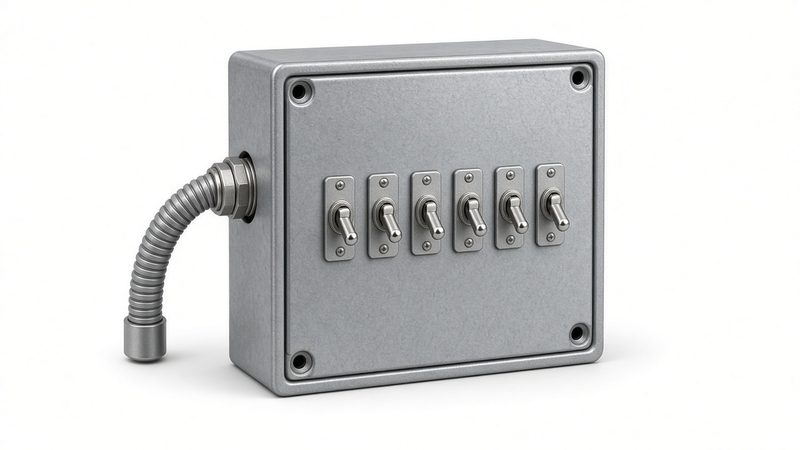
A 10-circuit, 30-amp manual transfer switch kit for portable generators up to 7,500 running watts. Have a licensed electrician install it.
View on Amazon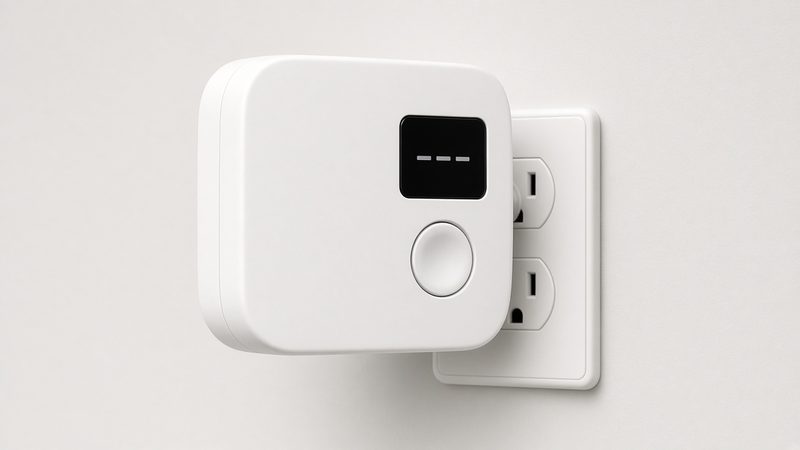
A plug-in alarm that detects carbon monoxide and explosive gas, with a 9-volt battery backup for outages and an 85-decibel alarm.
View on AmazonAs an Amazon Associate I earn from qualifying purchases.
Call a pro for any standby generator, any connection to your electrical panel, gas line work, or if you are not sure what size you need. The local backup power installers we work with can size the system, handle permits and get it done while the weather is still nice.
Tell us what you need to keep running, and a local Waukee backup power pro will get you a free quote. Or tap to call.